Introduction
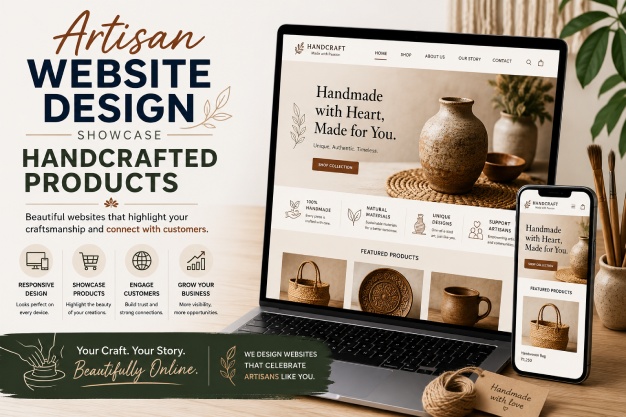
Artisan website design is crucial for showcasing unique handcrafted products to reach potential customers. For artisans, a well-designed website serves as a gallery, marketplace, and storyteller. By creating a visually compelling site, you can amplify your brand, highlight craftsmanship, and connect deeply with your audience.
Table of Contents
- Understanding Your Audience
- Key Design Elements for Artisan Websites
- Enhancing SEO for Artisan Websites
- Choosing Platforms and Tools
- Frequently Asked Questions
- Conclusion
Understanding Your Audience
The first step in creating an effective artisan website is understanding your target audience. Who are they, and what are their preferences and buying behaviors? Artisans often cater to niche markets that value authenticity, quality, and storytelling. Conducting market research and using analytics tools can help you gather insights into customer demographics and preferences.
Consider creating buyer personas to represent different segments of your audience. This practice allows you to tailor your content and website features to meet their specific needs. For instance, a persona might be a young professional interested in sustainable and eco-friendly products, while another might be an older collector of vintage-inspired crafts. Understanding these personas will guide your design and content strategy.
Key Design Elements for Artisan Websites
Design plays a pivotal role in showcasing your handcrafted products. Here are some essential design elements to consider:
- Visual Storytelling: Use high-quality images and videos to tell the story of your products. Show the process of crafting, the materials used, and the final product in use.
- Minimalist Design: Let your products shine by adopting a clean and uncluttered design. Avoid overwhelming visitors with too many elements at once.
- Responsive Design: Ensure your website looks great on all devices. With a growing number of consumers shopping via mobile, a responsive design is critical.
- Brand Consistency: Use colors, fonts, and styles that reflect your brand’s identity. Consistency helps build brand recognition and trust.
- User-Friendly Navigation: Make it easy for visitors to find what they’re looking for. Use clear menus, search features, and well-organized categories.
- Interactive Elements: Incorporate elements like sliders or galleries to engage users and provide a better experience.
Enhancing SEO for Artisan Websites
SEO is vital to ensure your artisan website reaches a broader audience. Here are some strategies:
- Keyword Research: Identify keywords that potential customers might use when searching for handcrafted products. Use these keywords naturally throughout your content.
- Quality Content: Create engaging and informative content that provides value to your visitors. Blog posts, product descriptions, and tutorials are excellent ways to incorporate keywords.
- Image Optimization: Use alt text for your images to improve accessibility and SEO. Describe the image content accurately and include relevant keywords.
- Technical SEO: Ensure fast loading times, secure connections (HTTPS), and a clean site structure. Tools like Google Lighthouse can help assess and improve your site’s performance.
- Local SEO: If you operate locally, include geo-targeted keywords and register your business on Google My Business.
Choosing Platforms and Tools
Choosing the right platform and tools is crucial for building an effective artisan website. Here are some popular options:
- WordPress: A versatile platform with numerous themes and plugins tailored for ecommerce and artistic presentations.
- Shopify: Ideal for artisans looking to set up a straightforward online store with built-in ecommerce features.
- Wix: Offers drag-and-drop features with design flexibility, suitable for creating visually appealing sites quickly.
- Squarespace: Known for its stunning design templates, it’s perfect for showcasing visual content and storytelling.
- BigCommerce: Offers robust ecommerce features for growing businesses with diverse product lines.
Frequently Asked Questions
How can I make my artisan website stand out?
Focus on high-quality visuals, engaging storytelling, and a unique brand voice. Use your website to share the story behind your products and what makes them special.
Why is responsive design important for artisan websites?
Responsive design ensures your website looks and functions well on all devices, providing a seamless experience for users on mobile, tablet, or desktop.
What should I include in my product descriptions?
Include details about the materials, dimensions, and unique features of the product. Tell a story about the inspiration or process behind the creation.
How can I improve the SEO of my artisan website?
Focus on keyword research, optimize images, create quality content, and improve technical SEO aspects like site speed and security.
Which platform is best for my artisan website?
Consider your specific needs, such as design flexibility and ecommerce features. WordPress and Shopify are excellent starting points for most artisans.
Conclusion
Designing an artisan website that effectively showcases your unique handcrafted products is essential for connecting with your audience and growing your business. By understanding your audience, focusing on key design elements, implementing effective SEO strategies, and choosing the right platforms, you can enhance your online presence. Ready to elevate your artisan website? Contact Gravity Effects to explore tailored solutions that meet your business needs and help you grow your digital footprint.