Designing Adaptive Web Solutions for Indian Artisans: Blending Tradition with Modern eCommerce Technology
The rich cultural tapestry of India is woven with the creativity and craftsmanship of its artisans. In the digital age, enhancing these traditional businesses with modern eCommerce technology is both a challenge and an opportunity. Adaptive web solutions can serve as a bridge, blending tradition with innovation.
Table of Contents
- Understanding the Market
- Key Elements of Adaptive Web Design
- Integrating eCommerce Technology
- Best Practices and Examples
- FAQ
- Conclusion
Understanding the Market
Indian artisans contribute significantly to the country’s economy, offering unique products that require tailored online platforms to reach broader audiences. Understanding their needs is the first step in creating effective web solutions. Artisans often face challenges such as limited digital literacy, lack of resources for professional websites, and competition from mass-produced goods.
Key Elements of Adaptive Web Design
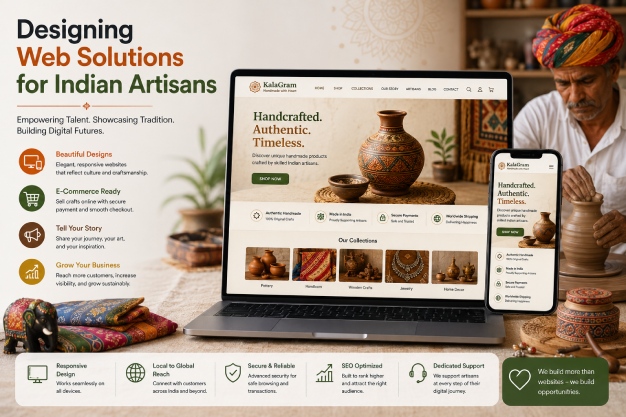
Adaptive web design is essential for crafting solutions that cater to the varied requirements of artisan businesses. Here are some key elements:
- Responsive Design: Ensure websites are mobile-friendly as many artisans and customers access sites via smartphones.
- Local Language Support: Include options for regional languages to attract local customers.
- Simple User Interface: A clear and intuitive interface helps in navigating the website with ease.
- SEO Optimization: Enhance visibility through effective use of keywords and metadata.
- Visual Storytelling: High-quality images and videos showcasing the craftsmanship add value and engage customers.
Integrating eCommerce Technology
Incorporating eCommerce into artisan web solutions involves several technological advancements:
- Secure Payment Gateways: Implement reliable payment solutions to build customer trust.
- Inventory Management: Use systems to keep track of products, helping artisans manage their stock efficiently.
- Social Media Integration: Connect with platforms like Instagram and Facebook to reach a wider audience.
- Personalization: Recommend products based on customer preferences to enhance user experience.
Best Practices and Examples
Implementing best practices ensures the success of artisan web solutions. Consider these strategies:
- Case Study – Jaipur Handicrafts: This initiative used a bilingual site and local SEO to boost online sales.
- Collaborative Platforms: Platforms like Etsy and Indian equivalents can extend the reach of artisans.
- Customer Feedback: Engaging customers through reviews and testimonials can build credibility.
Example of Successful Integration
An artisan collective in Gujarat used a combination of responsive design and social media marketing to increase online visibility, resulting in a 30% uplift in sales.
FAQ
What is adaptive web design, and why is it important for artisans?
Adaptive web design ensures websites work on various devices, which is crucial for artisans to reach customers who primarily use mobile phones.
How can local language support benefit Indian artisans?
Providing content in regional languages can help artisans connect better with local customers and expand their market reach.
What are the key trends in eCommerce technology for artisans?
Key trends include the use of AI for product recommendations, augmented reality for virtual product trials, and blockchain for secure transactions.
Conclusion
Designing adaptive web solutions for Indian artisans involves blending the beauty of traditional craftsmanship with the efficiency of modern technology. By understanding the market and incorporating key elements of web design and eCommerce, we can help artisans thrive in a competitive digital landscape.
Ready to enhance your artisan business with a robust online presence? Contact Gravity Effects to explore tailored solutions for integrating tradition with technology.
Discover more from GravityEffects
Subscribe to get the latest posts sent to your email.