Introduction
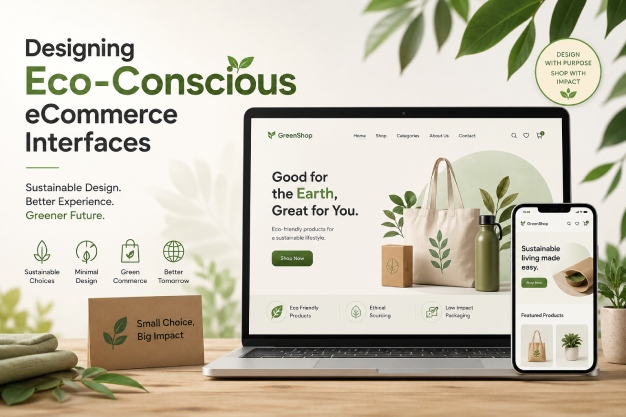
Eco-conscious eCommerce interfaces are more than just a trend; they represent a strategic approach to promote sustainable shopping habits. As businesses strive to minimize their environmental impact, web design plays a crucial role in guiding consumer behavior. By integrating eco-friendly principles into eCommerce platforms, companies can influence purchasing decisions while aligning with growing consumer demand for sustainability.
- Understanding Eco-Conscious Design
- Implementing Sustainable Features
- Enhancing User Experience
- Case Studies: Successful Implementations
- FAQs
- Conclusion and Call to Action
Understanding Eco-Conscious Design
Eco-conscious design involves creating digital interfaces that reflect and promote sustainability. This approach not only reduces environmental impact but also enhances brand reputation. By focusing on minimalistic design, energy-efficient functionalities, and sustainable practices, businesses can create a more responsible digital presence.
Key elements include using sustainable hosting solutions, optimizing website performance to reduce energy consumption, and selecting eco-friendly color schemes. For instance, darker color palettes can lead to lower energy usage on certain devices, contributing to a greener web.
Moreover, eco-conscious design extends to content. Clear messaging on sustainability efforts, eco-friendly product lines, and transparent supply chains can inspire consumers to make environmentally responsible choices.
Implementing Sustainable Features
Integrating sustainable features into eCommerce platforms is essential for promoting eco-friendly shopping habits. Here are some strategies to consider:
- Efficient Navigation: Simplified navigation helps users find products quickly, reducing time spent online and energy consumption.
- Eco-Labels: Highlight products with eco-labels or badges that indicate sustainable attributes, such as organic materials or ethical sourcing.
- Carbon Footprint Calculators: Offer tools that allow customers to understand the environmental impact of their purchases, encouraging mindful shopping.
- Sustainable Packaging Options: Provide information about packaging choices and the ability to select eco-friendly alternatives at checkout.
These features not only educate consumers but also reinforce a commitment to sustainability, building trust and loyalty.
Enhancing User Experience
Designing with an eco-conscious mindset requires attention to user experience (UX). A seamless and intuitive interface not only satisfies users but also promotes sustainable behavior. Consider the following:
- Fast Loading Times: Optimize images and scripts to reduce loading times, lowering server energy use and improving UX.
- Mobile Responsiveness: Ensure designs are mobile-friendly, as mobile devices typically consume less energy than desktops.
- Accessible Design: Implement accessibility standards to ensure all users, including those with disabilities, can engage with the site, promoting inclusivity.
By prioritizing these aspects, businesses can create an engaging and sustainable shopping experience that resonates with eco-conscious consumers.
Case Studies: Successful Implementations
Several companies have successfully integrated eco-conscious design into their eCommerce platforms, setting examples for others to follow:
- Patagonia: Known for its commitment to sustainability, Patagonia’s website emphasizes environmental responsibility through storytelling and transparency about its supply chain.
- Allbirds: This footwear brand uses eco-friendly materials and showcases its sustainability initiatives prominently on its site, encouraging informed purchasing decisions.
- ThredUp: A fashion resale platform, ThredUp highlights its positive environmental impact by promoting the benefits of second-hand shopping, aligning with eco-conscious values.
These examples illustrate how intentional design can drive both business success and environmental stewardship.
FAQs
What is eco-conscious web design?
Eco-conscious web design involves creating online interfaces that minimize environmental impact by using sustainable practices, such as energy-efficient hosting and optimized performance.
How can eCommerce sites promote sustainable shopping?
By incorporating features like eco-labels, carbon calculators, and sustainable packaging options, eCommerce sites can educate and encourage consumers to make eco-friendly choices.
Why is user experience important in eco-conscious design?
User experience is crucial because a seamless and efficient interface reduces energy consumption and enhances customer satisfaction, aligning with sustainable goals.
Are there specific technologies that support eco-conscious design?
Yes, technologies like cloud hosting, responsive design frameworks, and performance optimization tools support eco-conscious web development by reducing resource usage.
Conclusion and Call to Action
Designing eco-conscious eCommerce interfaces is a powerful step toward encouraging sustainable shopping habits. By embracing intentional web design, businesses can significantly influence consumer behavior while supporting environmental goals. As the demand for sustainability grows, companies must act now to integrate eco-friendly features into their digital strategies.
Ready to transform your eCommerce platform into an eco-conscious hub? Contact Gravity Effects to explore how our expert team can help you implement sustainable web design solutions that align with your business values and objectives.
Discover more from GravityEffects
Subscribe to get the latest posts sent to your email.