Introduction
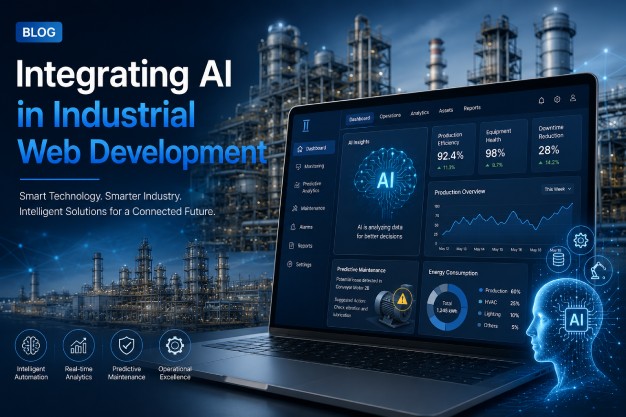
Sustainable manufacturing is becoming an essential focus for industries worldwide. As environmental regulations tighten and consumer awareness increases, businesses are seeking innovative ways to monitor and manage their environmental impact. One effective solution is the design of web platforms for real-time environmental impact monitoring. These platforms not only help companies stay compliant but also support their sustainability goals.
Table of Contents
- Importance of Real-Time Monitoring
- Key Features of Web Platforms
- Design Strategies for Effective Monitoring
- Benefits of Environmental Monitoring
- FAQ
- Conclusion
Importance of Real-Time Monitoring
Real-time monitoring of environmental impact is crucial for sustainable manufacturing. It allows companies to track emissions, waste, and resource usage as they occur. This immediate feedback enables businesses to make prompt adjustments, reducing their environmental footprint and optimizing resource efficiency.
A report by the Environmental Protection Agency (EPA) highlights that industries can significantly cut down emissions and improve resource management with real-time data. This approach not only aids in compliance with environmental laws but also enhances operational efficiency.
Key Features of Web Platforms
Designing web platforms for environmental monitoring involves integrating several key features:
- Data Integration: The platform should seamlessly integrate with existing sensors and data systems to collect real-time data.
- Customizable Dashboards: Users need intuitive dashboards to visualize data and identify trends quickly.
- Alerts and Notifications: Systems should send alerts for any deviations from set environmental standards.
- Reporting Tools: Effective reporting tools are essential for generating compliance reports and sharing data with stakeholders.
- Scalability: The platform should be scalable to accommodate future expansions and increased data volumes.
Design Strategies for Effective Monitoring
Creating a successful web platform for environmental monitoring requires thoughtful design strategies. Here are some considerations:
User-Centered Design
Focus on user-centered design to ensure the platform is accessible and easy to use for all stakeholders, from plant managers to environmental officers.
Integration with IoT
Integrate Internet of Things (IoT) technologies to enhance data collection and processing capabilities. IoT devices can provide precise and continuous data streams.
Data Security
Implement robust security measures to protect sensitive environmental data from unauthorized access or cyber threats. This is crucial for maintaining trust and compliance.
Cloud-Based Solutions
Utilize cloud-based solutions for better data storage, processing power, and accessibility. Cloud platforms offer flexibility and can scale with business needs.
Benefits of Environmental Monitoring
Implementing real-time environmental monitoring offers numerous benefits:
- Compliance: Ensure alignment with environmental regulations and standards.
- Cost Efficiency: Identify areas for resource savings and reduce waste, leading to cost reductions.
- Enhanced Reputation: Demonstrating a commitment to sustainability can improve brand image and customer loyalty.
- Operational Insights: Gain valuable insights into operations, enabling data-driven decision-making.
According to a study by McKinsey, companies that adopt sustainable practices often see improved financial performance and stakeholder trust.
FAQ
What is sustainable manufacturing?
Sustainable manufacturing involves producing goods in ways that minimize negative environmental impacts, conserve energy and natural resources, and are safe for employees, communities, and consumers.
Why is real-time monitoring important?
Real-time monitoring provides immediate data on environmental impacts, allowing businesses to make swift adjustments to reduce emissions and resource use, ensuring compliance and efficiency.
How can web platforms help in sustainability?
Web platforms can centralize data, provide insights through analytics, and automate reporting, making it easier for companies to track and manage their environmental footprint effectively.
Are there any industry standards for environmental monitoring?
Yes, there are several standards, such as ISO 14001, which provide frameworks for environmental management systems. These can guide companies in setting up effective monitoring processes.
Conclusion
Designing web platforms for real-time environmental monitoring is a strategic move towards sustainable manufacturing. These platforms offer significant benefits, from compliance to cost savings, and play a crucial role in advancing sustainability goals. If your business is ready to explore these innovative solutions, contact Gravity Effects to discuss how we can assist you in building a future-ready, sustainable web platform.
Ready to modernize your environmental monitoring systems? Talk to our experts about your digital transformation goals.
Related Reading
- Sustainable Web Solutions for Manufacturing Industries
- AI-Powered Sustainability Dashboards for Manufacturing
- Developing Eco-Friendly Manufacturing Websites
Discover more from GravityEffects
Subscribe to get the latest posts sent to your email.