Introduction
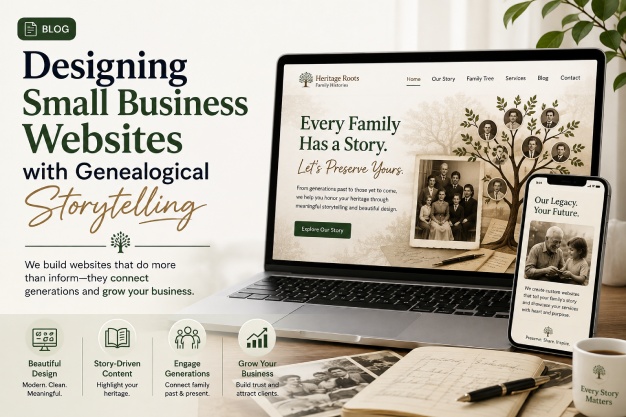
In an era where digital connections define business success, small businesses have a unique opportunity to engage customers through genealogical storytelling. By weaving the rich tapestry of family history into your website, you can create a compelling narrative that resonates across generations. This method not only enhances customer engagement but also fosters a sense of belonging and loyalty. In this article, we’ll explore how harnessing customer ancestry can transform your digital presence.
Table of Contents
- Understanding Genealogical Storytelling
- Benefits for Small Businesses
- Implementing Genealogical Elements
- Case Studies and Examples
- FAQs
- Conclusion and Next Steps
Understanding Genealogical Storytelling
Genealogical storytelling involves incorporating family history and lineage into your website’s design and content. This approach taps into the universal interest in ancestry, using it to build a narrative that connects with customers on a personal level. By sharing stories of heritage, culture, and tradition, businesses can create a more engaging and meaningful online experience.
Historically, storytelling has been a powerful tool for communication. When applied to web design, it allows businesses to present their values, mission, and products in a context that resonates deeply with audiences. This method not only attracts potential customers but also strengthens relationships with existing ones.
Benefits for Small Businesses
For small businesses, especially those in industries like hospitality, retail, and local services, genealogical storytelling can be a game-changer. Here are several key benefits:
- Enhanced Customer Engagement: Ancestral stories captivate audiences and invite them to explore more.
- Emotional Connection: Sharing heritage fosters a sense of community and shared identity.
- Brand Differentiation: Unique narratives set businesses apart from competitors.
- Loyalty Building: Customers are more likely to return to a brand that resonates with their personal history.
By creating a website that honors the past while looking to the future, small businesses can cultivate an enduring customer base.
Implementing Genealogical Elements
To effectively integrate genealogical storytelling into your website, consider the following strategies:
1. Story-Driven Content
Develop content that highlights family stories, traditions, and values. Use blogs, videos, and testimonials to share these narratives. Ensure that each piece of content aligns with your brand’s mission and voice.
2. Interactive Family Trees
Incorporate interactive family trees that allow users to explore their genealogy. Tools like family tree builders or ancestry databases can be integrated into your website to enhance user engagement.
3. Visual Storytelling
Utilize visual elements such as photos, infographics, and timelines to tell your brand’s story. These elements can make historical data more accessible and engaging for users.
4. User-Generated Content
Encourage customers to share their family stories and experiences related to your business. This can be facilitated through social media integrations, forums, or dedicated storytelling sections on your site.
Case Studies and Examples
Several small businesses have successfully implemented genealogical storytelling to boost their online presence:
Example 1: A Local Cafe
A family-owned cafe used genealogical storytelling to highlight its history dating back to the early 1900s. By sharing stories of the founders and their cultural heritage, the cafe attracted customers interested in local history and traditions.
Example 2: An Artisan Bakery
An artisan bakery created a series of blog posts detailing recipes passed down through generations. This approach not only engaged customers but also positioned the bakery as a guardian of culinary tradition.
Example 3: A Boutique Hotel
A boutique hotel incorporated ancestral stories of the local area into its website. Guests were offered a unique glimpse into the region’s history, enhancing their travel experience.
FAQs
How can genealogical storytelling enhance my website’s SEO?
By creating rich, engaging content centered around family history, you can improve your website’s SEO. Search engines favor content that is unique and resonates with users, leading to higher rankings.
Is genealogical storytelling suitable for all types of businesses?
While particularly effective for businesses with historical or cultural significance, genealogical storytelling can be adapted for any brand that wants to create a deeper connection with its audience.
What tools can help integrate genealogy into my website?
Several tools, such as MyHeritage, Ancestry.com, and family tree builders, can be incorporated into your website to enhance genealogical storytelling and user engagement.
Can user-generated content really make a difference?
Absolutely. User-generated content can add authenticity and diversity to your storytelling, fostering a sense of community and shared experience among your audience.
Conclusion and Next Steps
Genealogical storytelling offers small businesses a unique avenue to connect with customers across generations. By weaving family history into your web design, you can create a narrative that not only attracts but retains a loyal audience. Ready to transform your website with genealogical storytelling? Contact Gravity Effects today to explore how we can help enhance your digital presence through innovative storytelling and strategic design.
Discover more from GravityEffects
Subscribe to get the latest posts sent to your email.