Introduction to Gamification in eCommerce
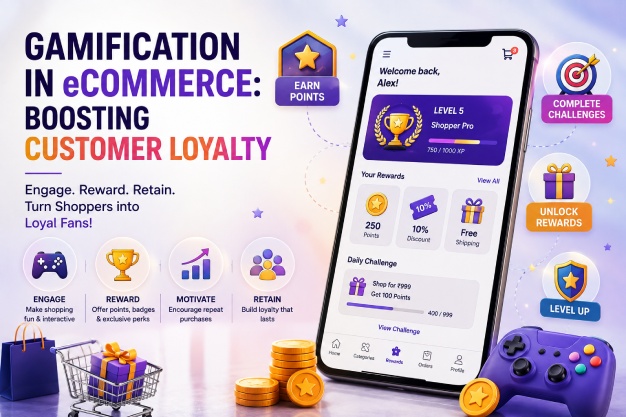
Gamification in eCommerce is transforming how businesses engage customers by integrating game-like elements into shopping experiences. By applying principles of gaming, such as challenges, rewards, and competition, eCommerce platforms can enhance customer interaction, drive loyalty, and boost repeat purchases.
In this article, we will explore the key elements of gamification, how they can be effectively implemented in eCommerce websites, and the benefits they bring to businesses looking to thrive in a competitive digital landscape.
- The Concept of Gamification
- Key Elements of Gamification in eCommerce
- Benefits of Gamification for Businesses
- Implementing Gamification Features
- FAQs on Gamification in eCommerce
- Conclusion and Next Steps
The Concept of Gamification
Gamification involves incorporating game mechanics into non-game environments to increase engagement and motivation. In the context of eCommerce, this means using elements like points, badges, leaderboards, and rewards to enrich the shopping experience. The goal is to create a more interactive and enjoyable journey for customers, encouraging them to return and engage more frequently.
By tapping into the intrinsic motivations of users—such as competition, achievement, and social interaction—gamification can transform mundane shopping tasks into exciting experiences. This approach not only attracts customers but also encourages them to explore more and share their experiences with others.
Key Elements of Gamification in eCommerce
There are several elements commonly used in gamification that can be tailored to fit the unique needs of an eCommerce platform:
Points and Rewards
Points systems reward customers for actions like purchases, reviews, and referrals. These points can then be redeemed for discounts or exclusive offers, incentivizing customers to engage more with the platform.
Badges and Achievements
Badges offer recognition for accomplishing specific tasks, such as being a top reviewer or frequent buyer. Displaying these badges can provide a sense of accomplishment and encourage further interaction.
Leaderboards
Leaderboards showcase top performers, fostering a sense of competition among users. This can motivate customers to increase their engagement to climb the rankings.
Challenges and Quests
Interactive challenges or quests can engage customers by offering rewards for completing a series of tasks. This not only increases time spent on the site but also encourages users to explore more products.
Benefits of Gamification for Businesses
Implementing gamification in eCommerce can offer numerous benefits that go beyond mere novelty. Here are some key advantages:
Increased Customer Engagement
Gamification makes the shopping experience more interactive and enjoyable, leading to higher engagement levels. Customers are more likely to spend time on the site and explore various features.
Enhanced Customer Loyalty
By rewarding customers for their actions, gamification fosters loyalty. Repeat purchases become more attractive when customers know they will be recognized and rewarded.
Improved Brand Awareness
Gamification encourages social sharing, as customers often like to showcase their achievements. This organically boosts brand visibility and can attract new customers.
Boosted Sales and Revenue
Engaged customers are more likely to make purchases. By creating a rewarding shopping experience, businesses can drive sales and increase revenue.
Implementing Gamification Features
Successfully integrating gamification into an eCommerce platform requires thoughtful planning and execution. Here are some steps to consider:
Identify Business Goals
Before implementing gamification, it’s crucial to define clear business objectives. Whether it’s increasing customer retention or boosting average order value, understanding the end goal will guide the gamification strategy.
Choose the Right Elements
Select gamification features that align with your business goals and target audience. Not all elements will suit every platform, so it’s essential to choose wisely.
Test and Optimize
Like any strategy, gamification needs regular testing and optimization. Monitor customer feedback and engagement metrics to refine the approach for maximum impact.
Integrate Seamlessly
The gamification elements should blend naturally into the user experience, enhancing rather than disrupting it. A seamless integration ensures that customers enjoy a smooth and engaging journey.
FAQs on Gamification in eCommerce
What is gamification in eCommerce?
Gamification in eCommerce involves incorporating game-like elements into the shopping experience to enhance customer engagement, loyalty, and satisfaction.
How does gamification increase customer loyalty?
By rewarding customers for their interactions, gamification encourages repeat purchases and builds a stronger emotional connection with the brand.
What are some examples of gamification in eCommerce?
Examples include points systems, badges for achievements, leaderboards, and interactive challenges that offer rewards or discounts.
Can small businesses benefit from gamification?
Absolutely. Small businesses can use gamification to differentiate themselves, enhance customer experience, and foster loyalty, leading to increased sales.
Conclusion and Next Steps
Gamification in eCommerce is more than just a trend; it’s a powerful tool for driving customer loyalty and repeat purchases. By strategically integrating game-like features into your platform, you can create a more engaging and rewarding shopping experience.
Ready to explore how gamification can benefit your eCommerce business? Contact Gravity Effects to discuss how we can help implement innovative gamification strategies tailored to your needs.
Related Reading
- Multi-Generational Website Design Strategies
- Creating Hyperlocal Micro-Marketplaces Online
- Enhancing Manufacturing Efficiency with Real-Time Tracking
Discover more from GravityEffects
Subscribe to get the latest posts sent to your email.