Introduction
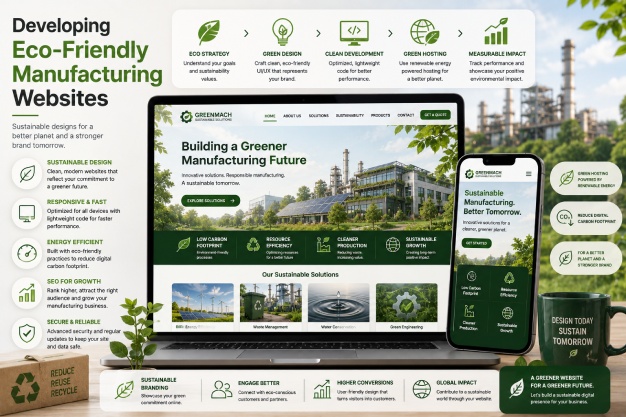
In an era where sustainability is increasingly important, developing eco-friendly manufacturing websites has become a priority. By integrating green hosting solutions and sustainable design practices, businesses can reduce their environmental impact while appealing to environmentally conscious consumers.
Contents
- Green Hosting Solutions
- Sustainable Design Practices
- Benefits of Eco-Friendly Websites
- FAQs
- Conclusion
Green Hosting Solutions
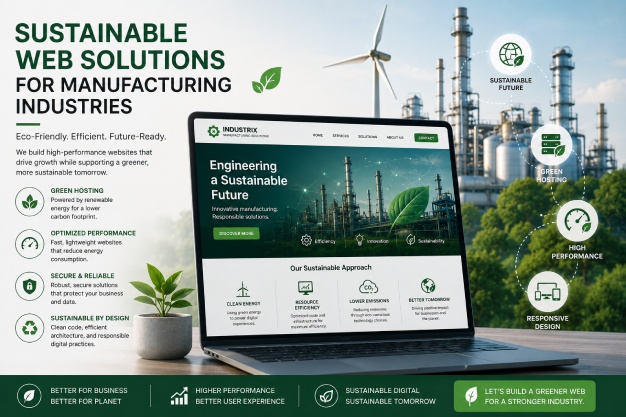
Green hosting involves using environmentally friendly technologies and practices to minimize the carbon footprint of websites. Here are some key components:
- Renewable Energy: Hosting providers that rely on wind, solar, or other renewable energy sources can significantly reduce emissions.
- Energy Efficiency: Data centers that prioritize energy-efficient hardware and cooling systems help cut down on energy consumption.
- Carbon Offsetting: Some hosts invest in projects that offset carbon emissions, like reforestation or renewable energy initiatives.
By choosing a green hosting provider, manufacturers can ensure their websites are aligned with sustainability goals.
Sustainable Design Practices
Sustainable web design reduces the environmental impact of a website by optimizing its performance and efficiency. Consider the following practices:
- Efficient Coding: Clean, efficient code reduces server load and improves website speed.
- Optimized Images: Using compressed images and modern formats like WebP decreases data transfer and page load times.
- Minimalist Design: A simpler design not only enhances user experience but also requires fewer resources.
- Content Delivery Networks (CDN): Utilizing CDNs can distribute content more efficiently and reduce server strain.
These practices can help create a more sustainable and user-friendly website.
Benefits of Eco-Friendly Websites
Developing eco-friendly websites offers numerous advantages:
- Brand Image: Demonstrating a commitment to sustainability can enhance brand reputation and attract eco-conscious consumers.
- Cost Savings: Energy-efficient practices often lead to lower operating costs.
- Regulatory Compliance: As regulations around sustainability increase, being proactive can keep you ahead of compliance requirements.
- Performance Improvements: Sustainable practices often lead to faster loading times and better user experiences.
FAQs
What is green hosting?
Green hosting is a web hosting service that uses renewable energy sources and efficient technology to reduce its environmental impact.
How can I make my website more sustainable?
Implement efficient coding, optimize images, use minimalist design principles, and select a green hosting provider to enhance sustainability.
Why should manufacturers consider eco-friendly websites?
Eco-friendly websites can improve brand image, reduce costs, ensure compliance with regulations, and enhance user experience.
Are there any cost implications for green hosting?
While some green hosting providers might have slightly higher fees, the long-term cost savings from energy efficiency often offset the initial investment.
Conclusion
Integrating green hosting solutions and sustainable design practices into manufacturing websites is not only an ethical choice but also a strategic business decision. By doing so, companies can reduce their environmental impact, enhance their brand image, and save on costs. Reach out to Gravity Effects to explore how we can assist you in developing eco-friendly manufacturing websites that align with your sustainability goals.
Discover more from GravityEffects
Subscribe to get the latest posts sent to your email.