Introduction
Designing adaptive manufacturing websites is crucial for compliance and innovation in today’s regulatory landscape. Manufacturing companies face complex regulations while striving to maintain a cutting-edge, user-friendly digital presence. This article delves into developing websites that balance compliance with innovative potential.
- Understanding Regulatory Requirements
- Designing for Compliance
- Fostering Innovation in Design
- Leveraging Tools and Technologies
- FAQs
- Conclusion and Call to Action
Understanding Regulatory Requirements
Manufacturing websites must navigate various regulations, such as data protection laws, accessibility standards, and industry-specific guidelines. Understanding these requirements is vital to avoid legal issues and build user trust.
The General Data Protection Regulation (GDPR) significantly affects how companies handle user data. Compliance involves transparent data practices and robust security measures. Similarly, the Americans with Disabilities Act (ADA) mandates accessible digital content for all users, including those with disabilities.
Manufacturers must stay informed about these regulations and others, like industry-specific standards, to ensure their websites meet compliance criteria. Regular audits and updates are essential for keeping up with regulatory changes and maintaining a secure, accessible online presence.
Designing for Compliance
Creating a compliant manufacturing website involves key practices. Incorporating privacy notices and cookie consent banners ensures transparency in data collection. Clear language helps users understand data practices.
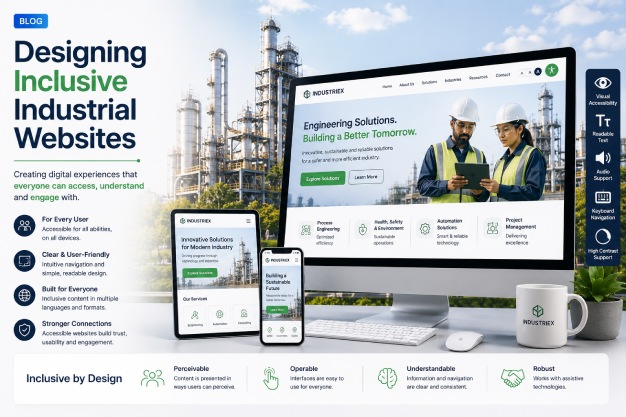
Accessibility is vital for compliance. Websites should follow the Web Content Accessibility Guidelines (WCAG) to ensure content is accessible to all. This includes using alt text for images, providing keyboard navigation, and ensuring adequate contrast for readability.
Security is another crucial factor. Implementing SSL certificates, regular security audits, and strong encryption practices protect user data and enhance trust. By prioritizing these elements, manufacturers can design compliant websites that instill user confidence.
Fostering Innovation in Design
While compliance is essential, fostering innovation on manufacturing websites is equally important. Innovative design attracts customers and creates a competitive edge. Integrating technologies like AI and IoT can enhance user experience and operational efficiency.
For example, AI-driven chatbots provide real-time customer support, while IoT integrations offer live updates on product availability or manufacturing processes. These features improve user engagement and streamline operations.
Personalization is another innovative approach. By analyzing user behavior, websites can deliver tailored content that meets individual needs. This not only enhances user satisfaction but also drives higher conversion rates.
Leveraging Tools and Technologies
To adapt to regulatory shifts, manufacturers should leverage modern tools and technologies. Platforms like WordPress and Laravel offer robust frameworks for building compliant and innovative websites.
WordPress, known for its flexibility, provides numerous plugins that assist with compliance and innovation. Plugins for GDPR compliance, SEO optimization, and accessibility enhancements simplify the process of maintaining a regulatory-compliant site.
Laravel, with its MVC architecture, enables developers to create scalable and secure web applications. Its built-in security features and extensive libraries support the development of customized solutions that meet both compliance and innovation needs.
Additionally, cloud hosting services ensure high availability and security, crucial for compliance with data protection regulations. By choosing reliable hosting providers, manufacturers can safeguard user data and ensure seamless website performance.
FAQs
What are the key regulations affecting manufacturing websites?
Key regulations include GDPR for data protection, ADA for accessibility, and industry-specific standards. Compliance ensures legal safety and enhances user trust.
How can manufacturers ensure accessibility on their websites?
Following WCAG guidelines is crucial. This includes using alt text for images, enabling keyboard navigation, and ensuring good contrast for readability.
What role does AI play in manufacturing website innovation?
AI enhances user experience through personalized content and real-time support via chatbots, improving customer engagement and operational efficiency.
Why is cloud hosting important for compliance?
Cloud hosting offers enhanced security and high availability, crucial for protecting user data and ensuring compliance with data protection regulations.
How often should websites be audited for compliance?
Regular audits, at least annually, are recommended to ensure websites remain compliant with evolving regulations and standards.
Conclusion and Call to Action
Navigating regulatory shifts while fostering innovation is crucial for manufacturing websites. By understanding regulatory requirements, designing for compliance, and embracing innovative technologies, manufacturers can create adaptive websites that support business growth.
Ready to modernize your manufacturing website? Contact Gravity Effects to explore how our expert team can help you achieve compliance and innovation, ensuring your digital presence is both secure and forward-thinking.
Related Reading
- Adaptive Manufacturing Websites with AI Personalization
- Dynamic UI Adaptation with AI for Manufacturing Sites
- AI-Driven Personalization for User Engagement
Discover more from GravityEffects
Subscribe to get the latest posts sent to your email.