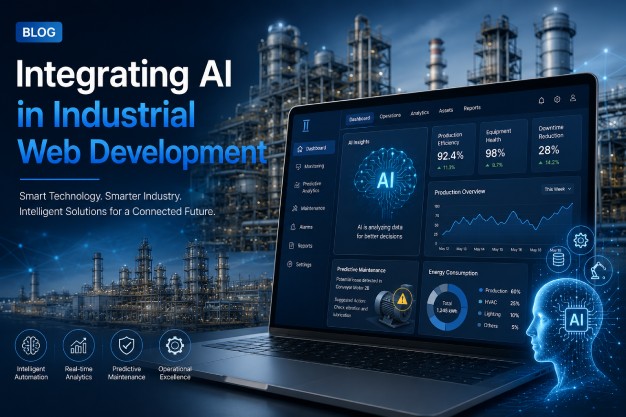
Introduction to Waste Reduction Dashboards
In today’s manufacturing industry, sustainability is not just a trend but a necessity. Implementing waste reduction dashboards in web platforms can significantly enhance sustainability efforts by providing real-time data and actionable insights. These dashboards are designed to help manufacturers monitor and minimize waste, thereby optimizing operations and reducing environmental impact.
- Understanding the Role of Dashboards
- Key Features of Effective Dashboards
- Implementing Real-Time Data Systems
- Benefits of Waste Reduction Dashboards
- FAQs on Waste Reduction Dashboards
- Conclusion and Next Steps
Understanding the Role of Dashboards
Waste reduction dashboards serve as a critical tool in the manufacturing sector by offering a visual representation of waste metrics. They provide stakeholders with an immediate understanding of waste levels, sources, and trends. By integrating these dashboards into existing web platforms, manufacturing companies can streamline their processes and align with global sustainability goals.
According to EPA, reducing waste not only conserves resources but also saves energy and reduces pollution. Dashboards help in tracking these parameters effectively, empowering decision-makers to implement timely interventions.
Key Features of Effective Dashboards
When designing a waste reduction dashboard, certain features are essential for maximizing its effectiveness:
- Real-Time Data: The ability to access current data ensures that companies can quickly address any issues as they arise.
- Customizable Metrics: Different manufacturers have unique needs. Dashboards should allow customization to focus on specific waste streams.
- User-Friendly Interface: A simple and intuitive interface encourages broader usage across teams.
- Integration with Existing Systems: Seamless integration with ERP and other management systems enhances functionality.
- Predictive Analytics: Leveraging AI and machine learning to predict future waste trends can help in proactive decision-making.
Implementing Real-Time Data Systems
The backbone of any effective waste reduction dashboard is the real-time data system. Implementing such systems involves the use of IoT sensors and smart devices that collect data across various stages of the manufacturing process. This data is then processed and presented in an easily digestible format on the dashboard.
For example, IoT devices can monitor machine efficiency and output in real-time, identifying areas where waste is occurring. By addressing these inefficiencies, manufacturers can reduce waste and improve productivity. Companies like IBM offer robust IoT solutions that can be tailored to specific industrial needs.
Benefits of Waste Reduction Dashboards
Implementing waste reduction dashboards offers numerous advantages:
- Improved Efficiency: By identifying waste sources, companies can streamline operations and reduce unnecessary costs.
- Environmental Impact: Reducing waste directly contributes to lower emissions and a smaller carbon footprint.
- Regulatory Compliance: Staying ahead of environmental regulations avoids penalties and enhances brand reputation.
- Data-Driven Decisions: Access to comprehensive data supports strategic planning and innovation.
A study by McKinsey highlights that data-driven manufacturing companies can increase productivity by up to 25%. Waste reduction dashboards are a key component in achieving such efficiency gains.
FAQs on Waste Reduction Dashboards
What is a waste reduction dashboard?
A waste reduction dashboard is a digital tool that provides real-time data and analytics on waste production within manufacturing processes. It helps companies monitor, analyze, and reduce waste effectively.
How do waste reduction dashboards integrate with existing systems?
These dashboards can be integrated with ERP and other management systems using APIs and middleware solutions, allowing seamless data flow and comprehensive analysis.
Can small manufacturers benefit from waste reduction dashboards?
Yes, small manufacturers can significantly benefit by reducing costs and improving efficiency, which are critical for competitiveness and sustainability.
What technologies are essential for implementing these dashboards?
Key technologies include IoT sensors, cloud computing, data analytics platforms, and AI tools for predictive insights. These components work together to provide a comprehensive waste management solution.
Conclusion and Next Steps
Designing and implementing waste reduction dashboards is a strategic move towards achieving enhanced sustainability in the manufacturing sector. By harnessing real-time data, manufacturers can make informed decisions that not only improve efficiency but also contribute to a healthier planet.
Ready to modernize your manufacturing platform with a real-time waste reduction dashboard? Contact Gravity Effects today to discuss how we can help you achieve your sustainability goals with innovative web solutions.
Related Reading
- AI-Powered Sustainability Dashboards for Manufacturing
- Empowering Sustainable Manufacturing: Real-Time Monitoring
- Enhancing Manufacturing Efficiency with Real-Time Tracking
Discover more from GravityEffects
Subscribe to get the latest posts sent to your email.