Introduction
In the manufacturing industry, the relationship between suppliers and manufacturers is critical. Enhancing this collaboration can lead to greater efficiency, reduced costs, and improved product quality. This is where interactive supplier ecosystems come into play. By building dedicated web portals, businesses can facilitate seamless communication and data exchange, strengthening their manufacturing network collaboration.
- Understanding Interactive Supplier Ecosystems
- Benefits of Web Portals in Manufacturing
- Key Features of Effective Supplier Portals
- Implementation Strategies
- FAQs
- Conclusion
Understanding Interactive Supplier Ecosystems
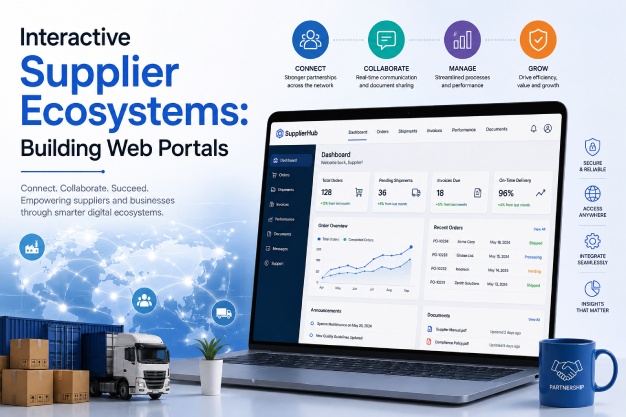
An interactive supplier ecosystem is a dynamic digital environment that connects manufacturers with their suppliers through a centralized web portal. This ecosystem allows for real-time data sharing, communication, and collaboration. It is a strategic approach to supply chain management, enabling businesses to react swiftly to market changes and streamline operations.
In traditional setups, communication bottlenecks and data silos often hinder collaboration. By integrating suppliers into a single online platform, manufacturers can overcome these challenges. The ecosystem fosters transparency, accountability, and efficiency, essential components for modern industrial success.
Benefits of Web Portals in Manufacturing
Web portals offer a range of benefits that can significantly enhance manufacturing operations. Here are a few:
- Improved Communication: Suppliers and manufacturers can communicate in real-time, reducing delays and misunderstandings.
- Enhanced Data Sharing: Access to real-time data allows for better decision-making and quicker response times.
- Cost Efficiency: Streamlined processes reduce operational costs and improve the bottom line.
- Increased Transparency: All stakeholders have access to the same information, fostering trust and accountability.
- Scalability: As your business grows, the portal can easily accommodate more suppliers and additional features.
These benefits make web portals a valuable tool for any manufacturing business looking to optimize its supply chain management.
Key Features of Effective Supplier Portals
For a supplier portal to be effective, it must incorporate specific features tailored to the needs of the manufacturing industry:
User-Friendly Interface
The portal should be intuitive and easy to navigate, allowing users to find information and perform tasks with minimal effort.
Data Security
Protecting sensitive information is crucial. The portal should have robust security measures, including encryption and access controls.
Real-Time Analytics
Analytics tools that provide real-time insights into supply chain performance can help identify areas for improvement.
Integration Capabilities
The portal should seamlessly integrate with existing ERP and CRM systems to consolidate data and streamline processes.
Customizability
Businesses should be able to tailor the portal to meet their specific needs, adding or removing features as necessary.
Implementation Strategies
Building an interactive supplier ecosystem requires careful planning and execution. Here are steps to consider:
Assess Your Needs
Evaluate your current supply chain processes to identify areas that need improvement and how a portal can address these needs.
Select the Right Technology Partner
Collaborate with a technology partner, like Gravity Effects, that understands your industry and can deliver a tailored solution.
Develop a Pilot Program
Start with a pilot program to test the portal with a small group of suppliers, making adjustments based on feedback.
Train Your Team
Ensure that all team members are adequately trained to use the portal effectively, maximizing its potential.
Evaluate and Optimize
Continuously evaluate the portal’s performance and make necessary improvements to enhance functionality and user experience.
FAQs
What is an interactive supplier ecosystem?
An interactive supplier ecosystem is a digital platform that connects manufacturers and suppliers, enabling real-time communication and data sharing to enhance collaboration.
How do web portals improve supply chain management?
Web portals streamline communication, improve data accessibility, reduce costs, and increase transparency, all of which contribute to more effective supply chain management.
What should I look for in a supplier portal?
Key features include a user-friendly interface, data security, real-time analytics, integration capabilities, and customizability.
How can Gravity Effects help with building a supplier portal?
Gravity Effects offers expertise in web development and digital transformation, providing customized solutions to create scalable and secure supplier portals.
Conclusion
Building an interactive supplier ecosystem through a dedicated web portal is a strategic move for any manufacturing business seeking to enhance its supply chain management. By fostering better communication, data sharing, and collaboration, these portals can significantly improve operational efficiency and business growth.
Ready to strengthen your manufacturing network collaboration? Contact Gravity Effects today to discuss how we can help you build an effective web portal tailored to your needs.