Introduction
In the rapidly evolving digital landscape, manufacturing websites need to be more adaptive and responsive than ever. With users accessing content from a myriad of devices, creating a seamless user experience is crucial. Enter dynamic user interface (UI) adaptation using artificial intelligence (AI) — a game-changer for manufacturing websites. This article explores how AI revolutionizes UI adaptation, ensuring optimal interactions across diverse devices.
Table of Contents
- Understanding Dynamic UI Adaptation
- Role of AI in UI Adaptation
- Benefits for Manufacturing Websites
- Implementing AI-Driven UI Adaptation
- FAQ
- Conclusion
Understanding Dynamic UI Adaptation
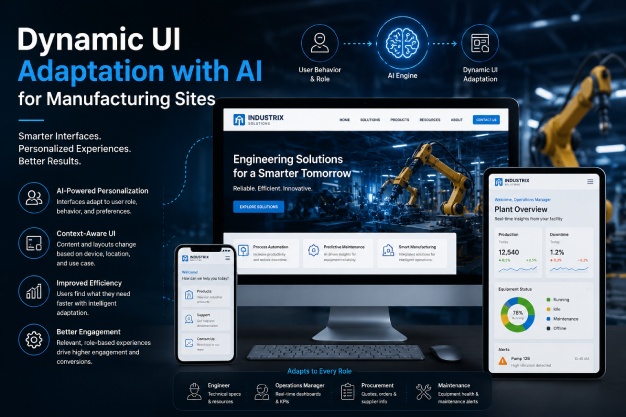
Dynamic UI adaptation refers to the ability of a website to modify its interface in real-time based on the user’s device, preferences, and behavior. Unlike static designs, dynamic interfaces provide personalized experiences that can adjust to screen size, input method, and user habits, greatly enhancing usability.
Role of AI in UI Adaptation
AI algorithms analyze user data to predict and implement the most effective UI changes. These systems learn from user interactions, enabling websites to automatically adjust layouts, content, and functionalities. AI-driven adaptation ensures that users on smartphones, tablets, desktops, and other devices receive an optimized experience.
Benefits for Manufacturing Websites
Manufacturing websites often handle complex data and interactions, making dynamic UI adaptation particularly beneficial. Key advantages include:
- Enhanced User Engagement: Tailored interfaces increase user satisfaction and engagement.
- Increased Accessibility: Responsive designs cater to users with different needs and abilities.
- Improved Conversion Rates: Personalized experiences lead to higher conversion rates as users find what they need more efficiently.
- Reduced Bounce Rates: Engaging and relevant content keeps users on the site longer.
Implementing AI-Driven UI Adaptation
For businesses in the manufacturing sector, integrating AI-driven UI adaptation starts with selecting the right technology partner. Companies like Gravity Effects excel in creating scalable digital solutions that incorporate AI. The implementation process typically involves:
- Assessment: Evaluating current website performance and user interaction data.
- Customization: Developing AI models tailored to specific user demographics and behaviors.
- Testing: Rigorous testing to ensure seamless integration and functionality across devices.
- Optimization: Continuous monitoring and refinement of AI algorithms to enhance performance.
FAQ
What is dynamic UI adaptation?
Dynamic UI adaptation involves real-time modifications to a website’s interface to suit different devices and user preferences, enhancing the overall user experience.
How does AI improve UI adaptation?
AI analyzes user data to predict interaction patterns, enabling automated layout and content adjustments that optimize user engagement and satisfaction.
Why is dynamic UI important for manufacturing websites?
Manufacturing websites benefit from dynamic UI through improved user engagement, accessibility, and conversion rates, addressing the sector’s complex data needs.
How can I implement AI-driven UI adaptation?
To implement AI-driven UI adaptation, collaborate with experts like Gravity Effects who offer strategic consulting and tailored digital solutions.
Conclusion
Dynamic UI adaptation powered by AI is transforming how manufacturing websites interact with users across diverse devices. By embracing these technologies, businesses can significantly enhance user experience, boost engagement, and drive growth. For those ready to embark on this digital transformation, partnering with an experienced provider like Gravity Effects can be instrumental.
If you are interested in revolutionizing your manufacturing website with AI-driven dynamic UI adaptation, contact Gravity Effects Web Development today for expert guidance and innovative solutions.
Discover more from GravityEffects
Subscribe to get the latest posts sent to your email.